Diabetes Awareness Month: Know Your Numbers

"Do you not know that your bodies are temples of the Holy Spirit, who is in you?" (1 Corinthians 6:19)
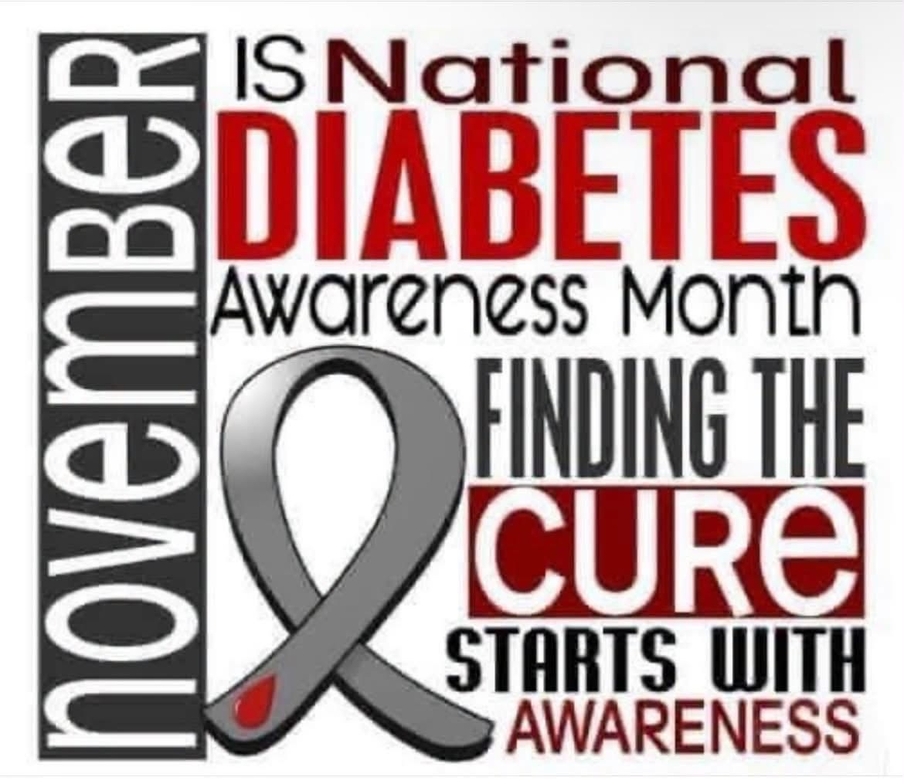
November is Diabetes Awareness Month, and this is a conversation our community cannot afford to skip. Black adults are about 60 percent more likely than white adults to be diagnosed with diabetes, and we are more likely to face serious complications like kidney disease, vision loss, and amputation. Family history, stress, access to care, and the foods many of us grew up loving all play a part.
However hope abounds! Type 2 diabetes can often be prevented or delayed, and can be managed quite well when it is caught early.
Check on it
- Take the one-minute risk test at cdc.gov/diabetes/risktest. It is free and private.
- Ask your primary care doctor for an A1C test at your next visit. It shows your average blood sugar over about three months. Under 5.7 is in the normal range, 5.7 to 6.4 is an indicator of prediabetes, and 6.5 or higher points to diabetes.
- Know the warning signs: being very thirsty, urinating often, blurry vision, feeling tired all the time, and cuts or sores that heal slowly.
About 1 in 3 American adults has prediabetes, and most do not know it. Prediabetes has no symptoms, which is why the test matters.
Keep it at bay
- Move your body about 30 minutes a day, five days a week. Walking counts.
- Fill half your plate with vegetables, and choose water over sweet tea and soda most days.
- Small steps add up. For someone with prediabetes, losing just 5 to 7 percent of body weight, about 10 to 14 pounds for a 200-pound person, can cut the risk of type 2 diabetes by more than half.
- Rest and manage stress. Sleep and peace of mind affect blood sugar more than we often consider. Take good care of this part of your health.
Caring for our health is part of caring for the temple God gave us. This month, take the risk test, make the appointment, and invite someone you love to do it with you.
Be well, Mosby family!
This is general information and should not be considered medical advice. Always talk with your doctor about what is right for you.